

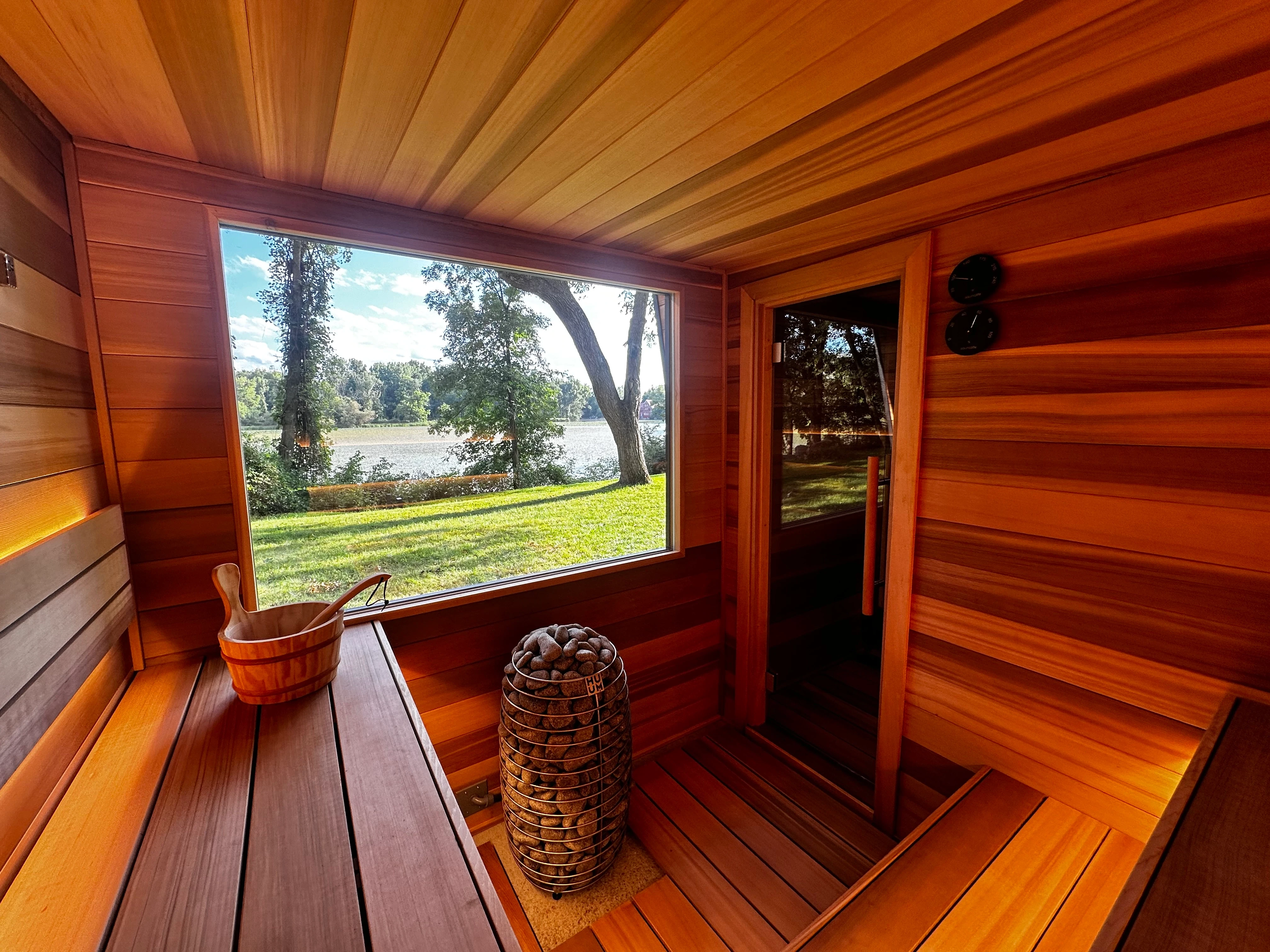
There are a lot of reasons to sauna in our hometown of Boulder, Colorado. Recovery after a hard day in the mountains, wellness for mind and body, and for a few months each year, a simple escape from the cold.
But actually getting a good sauna turned out to be harder than it should be. Public saunas nobody keeps clean. A twenty-minute drive to find one so crowded there was only room to stand. Eventually there was enough friction that we stopped going altogether. So we looked into putting one at home. That turned out to be its own version of the problem: cheaply built big-box units that fall apart before you finish assembling them, toxic glues, chemical-leaching MDF and particleboard, kits that don’t last a season.
So we went further back than the storefronts. Who supplies the wood? Who builds the cabins? Who stands behind them after the sale?
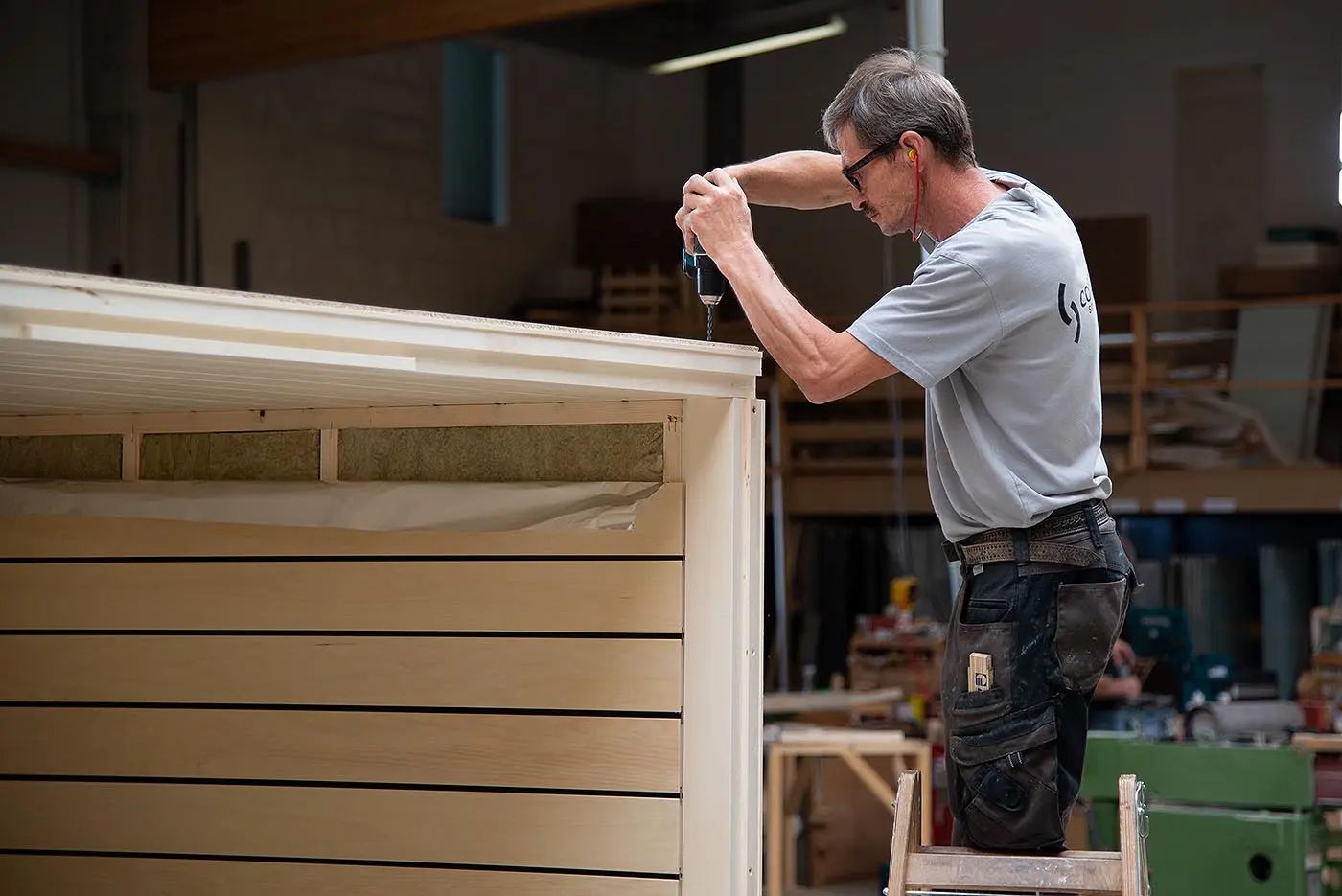
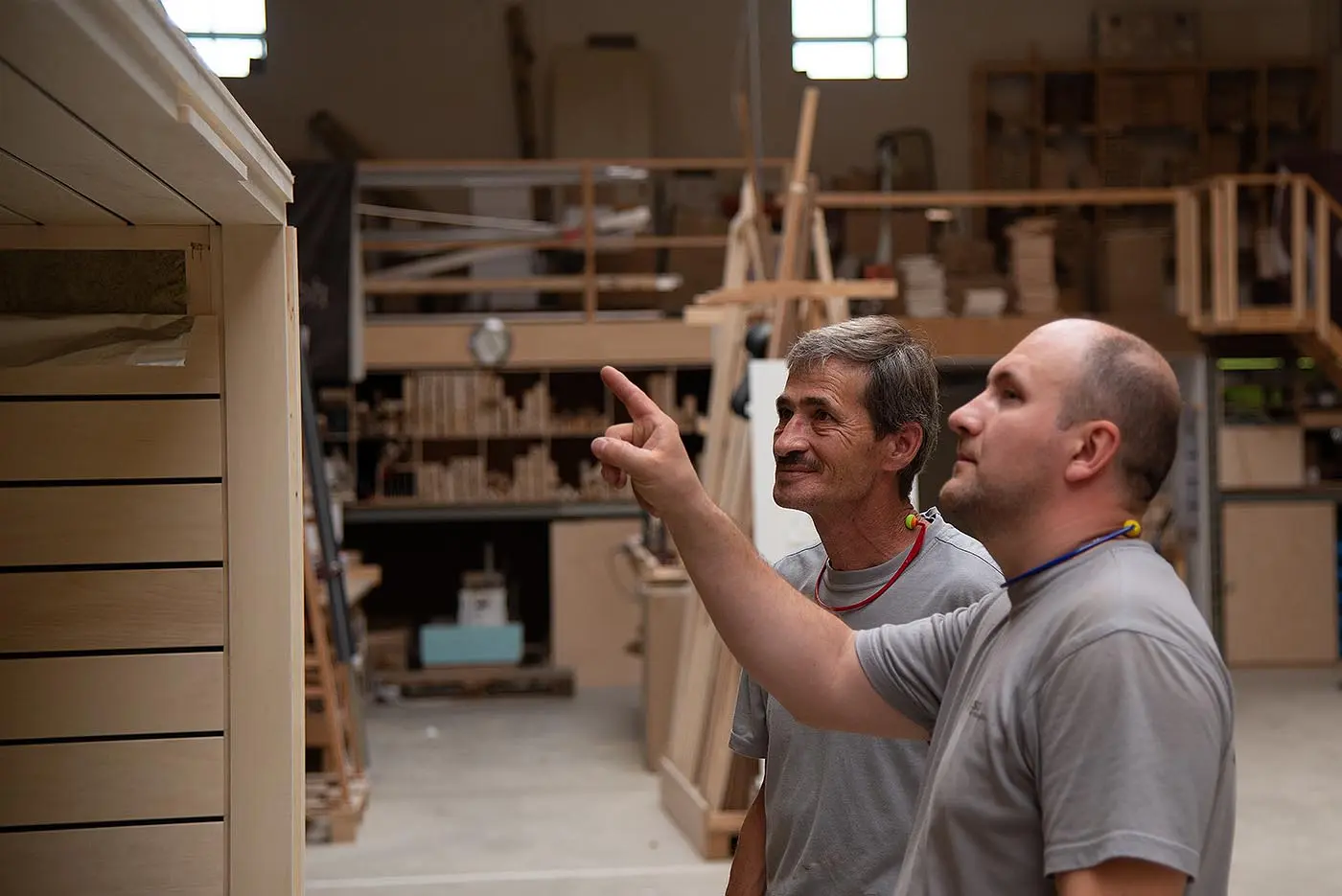
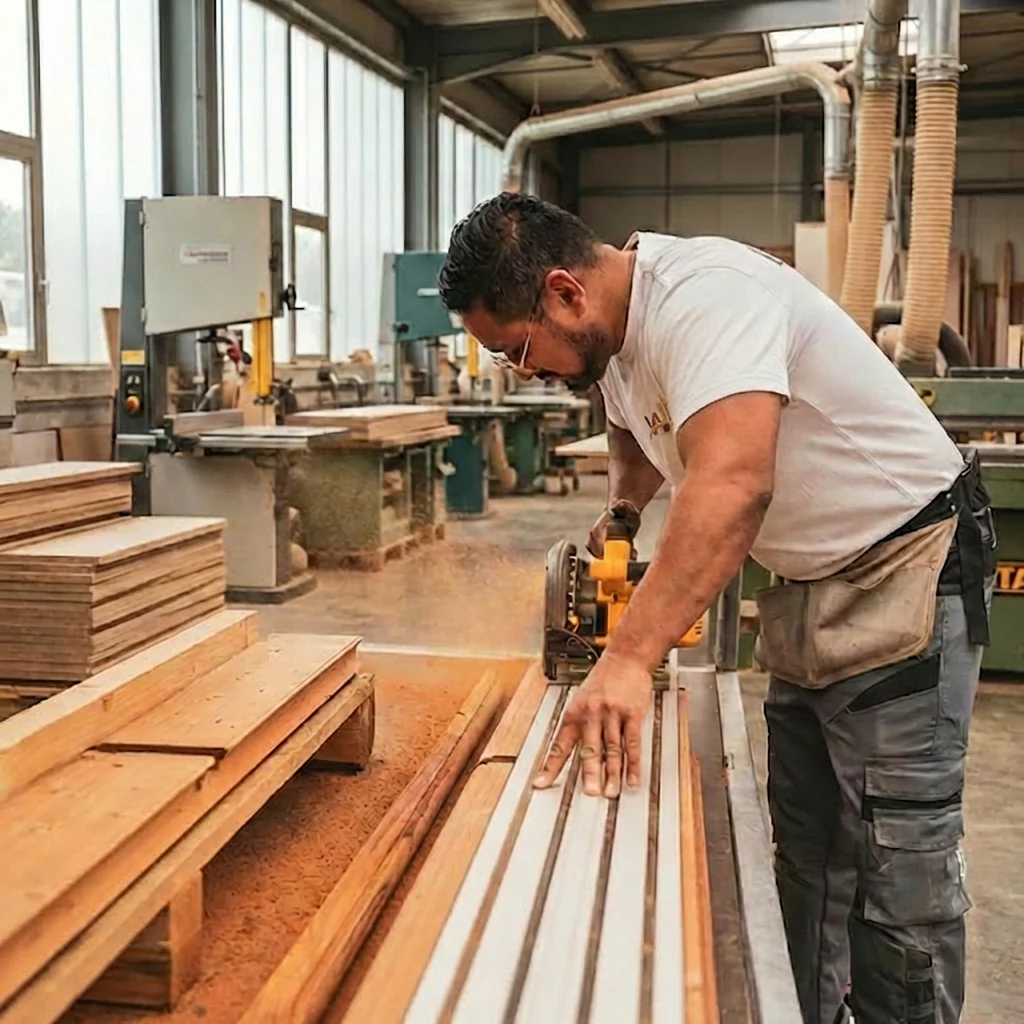
That’s the foundation of Nørdhus. We’re a small Boulder business built on human-to-human service, you’ll never be handed off to a chatbot or a call center. We partner with a U.S. builder with more than thirty years of experience crafting custom saunas, and we only sell the ones we’d put in our own homes. Because we care about your sauna as much as you do.
Wellness is a category built largely on assertion. Most of what gets sold under that banner rests on testimonials, mechanism stories, and the vague authority of tradition. The sauna is a rare exception. It is among the most rigorously studied habits in the world, and the reason is a quiet accident of geography: Finland has both a national sauna culture and a public health system that has been following its citizens for decades.
The findings are not subtle. Frequent users show lower cardiovascular mortality and a 63 percent lower risk of sudden cardiac death than those who go once a week.¹ The same cohort found a 66 percent lower risk of dementia and a 65 percent lower risk of Alzheimer’s among people using a sauna four to seven times per week.² A single thirty minute session measurably reduces arterial stiffness.³ The cardiovascular findings hold in men and women alike.⁴
But the number that should change your behavior is not any of those. It is the pattern underneath them. Across every study, the variable that predicts benefit is frequency. Not temperature. Not duration. How often you go.
This is, in a sense, disappointing news, because frequency is the hardest thing to sustain. Intensity is a decision you make once. Frequency is a decision you make every day, and it loses to weather, traffic, membership fees, and the twenty minute drive each way. The research points to a habit, and habits are built on proximity. Which means the practical question was never how good a sauna is. It is how close it is.
JAMA Internal Medicine, 2015. https://pubmed.ncbi.nlm.nih.gov/25705824/
Age and Ageing, 2017. https://academic.oup.com/ageing/article/46/2/245/2654230
Mayo Clinic Proceedings, 2018. https://www.mayoclinicproceedings.org/article/s0025-6196(18)30275-1/fulltext
BMC Medicine, 2018. https://link.springer.com/article/10.1186/s12916-018-1198-0
40%
Lower mortality.
150 bpm
Elevated heart rate during session.
5 - 7x
Per week.
63%
Lower cardiac risk.
There was a time when the things in our homes were expected to outlast us. A well-made object carried an implicit promise: someone had thought about its durability in year ten before you bought it in year one. Somewhere along the way, that promise quietly disappeared from most of what we buy.
A sauna is an unusually honest test of whether this promise is kept. It is a small wooden room subjected to punishing heat and moisture, session after session, for years. There is no space for shortcuts to hide.
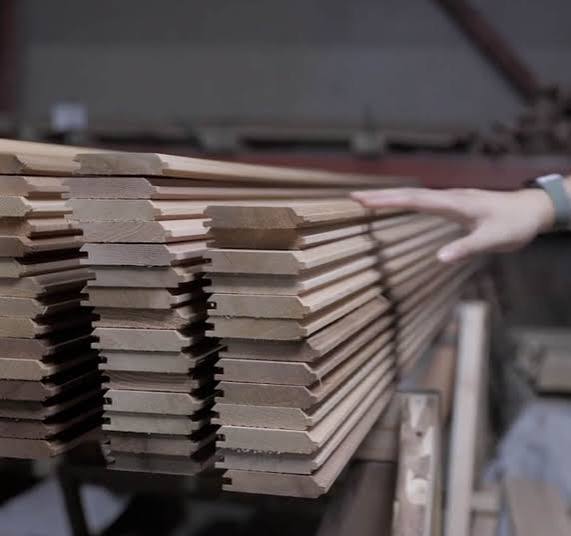
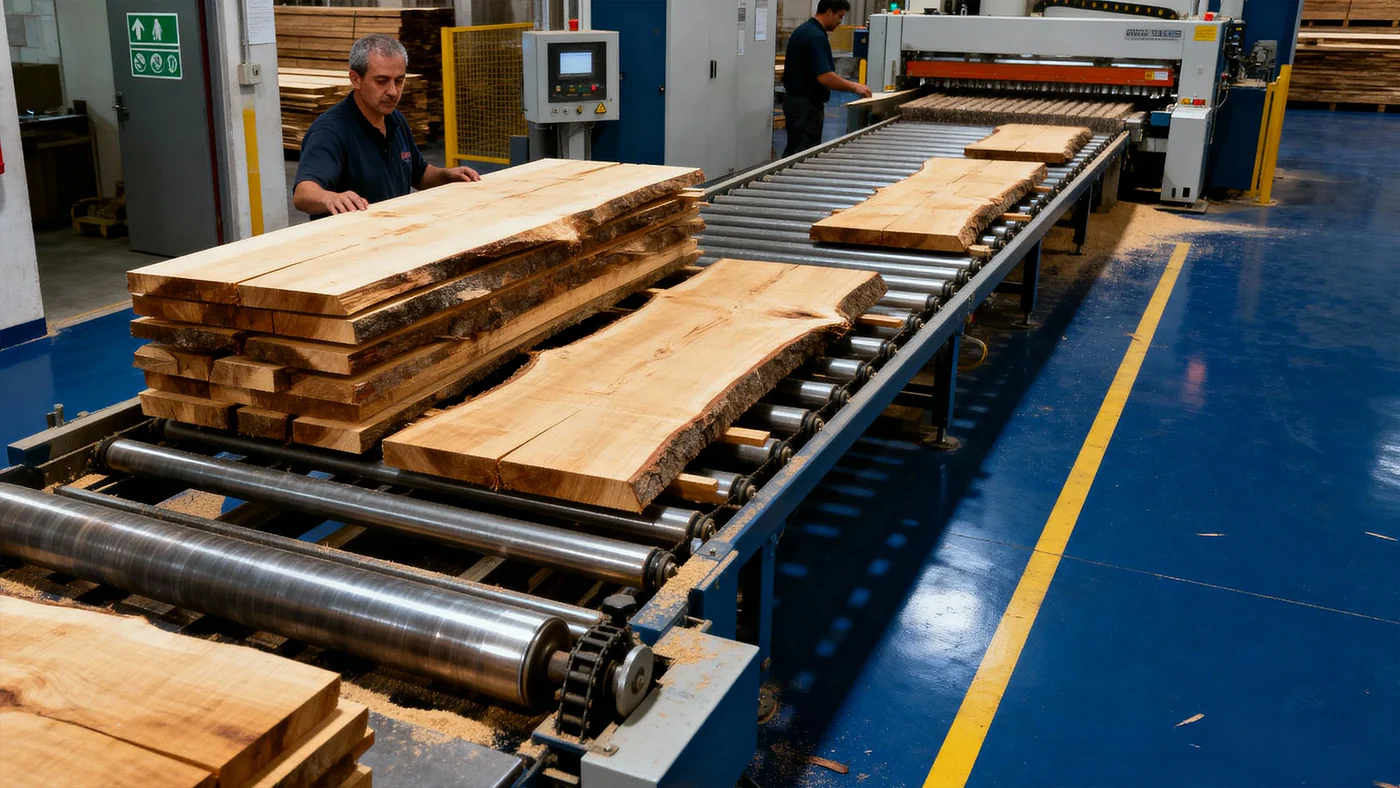
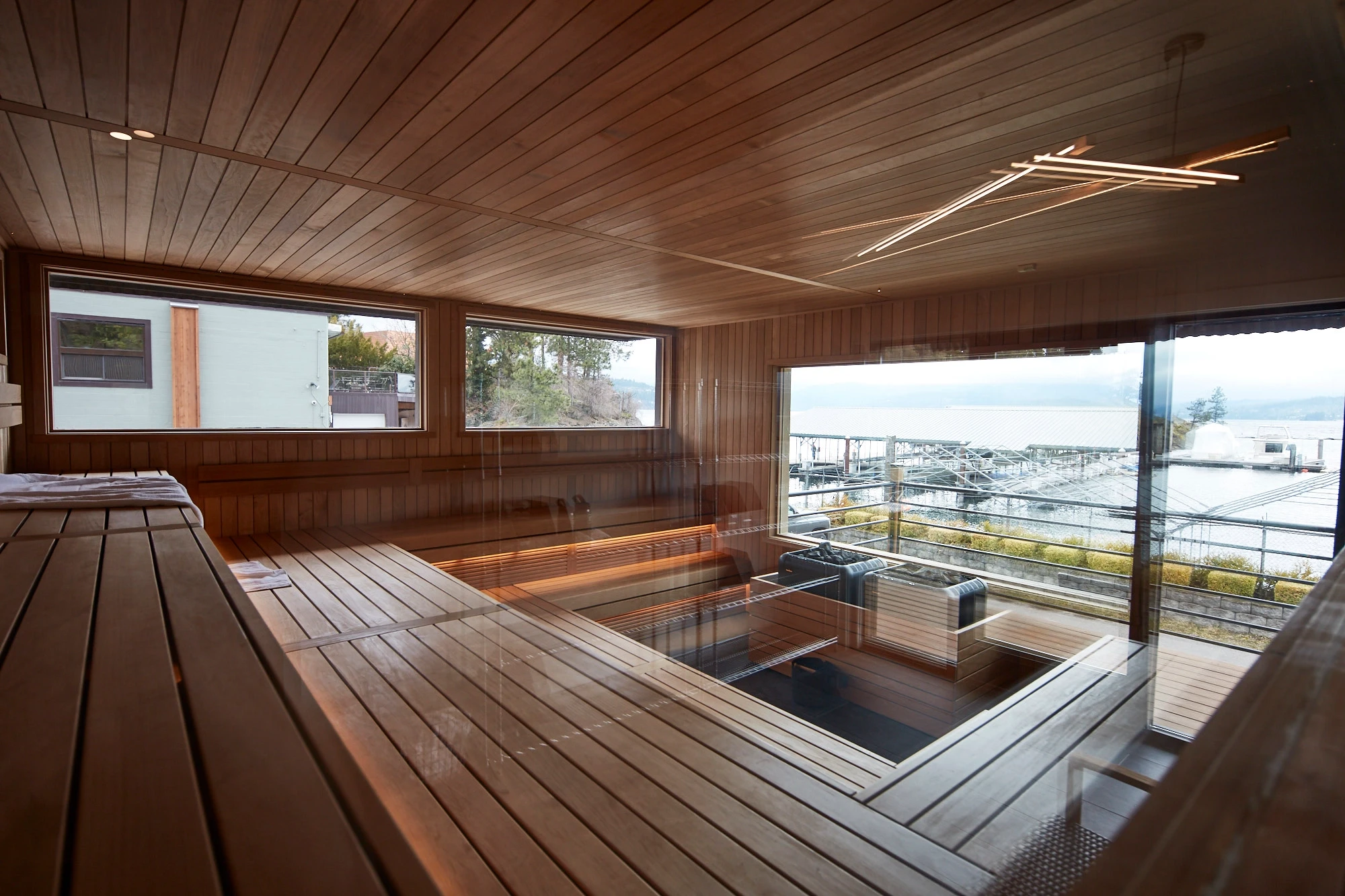
This is why we build with western red cedar, the species serious sauna builders have trusted for generations. Its natural oils resist mold, fungus, and decay without chemical treatments or sealants, an important distinction in a heated room where you spend your time breathing deeply. Its low density means it transfers heat slowly, so the benches stay comfortable against bare skin even as the air climbs. It holds its shape through countless cycles of heating and cooling while cheaper softwoods warp and split. When you open the door, you smell cedar and nothing else.
The same thinking extends to the heat. Our infrared panels warm the body directly, the way sunlight warms you on a cold day. They are built low EMF: the wiring and panel placement is engineered to keep electromagnetic output as close to zero as possible, verified by third-party testing.
None of this is innovation, exactly. It is something closer to refusal. We refuse glue-heavy construction because it assembles faster. We refuse heaters picked for price instead of how the heat feels. We think a sauna should be one of the things that lasts.